Wine fridge
Wine Intolerance: Causes, Symptoms & What Really Helps
Many people experience unpleasant reactions after drinking wine — from headaches and facial flushing to digestive discomfort or a blocked nose. But a true “wine allergy” is rare. In most cases, the symptoms are caused by an intolerance to certain ingredients in the wine or a sensitivity to alcohol itself.
This guide explains the key differences between allergy and intolerance, the most common triggers such as sulfites, histamines, or tannins, and shares practical tips to enjoy wine again — without discomfort.
SWISSCAVE: Swiss Precision Engineering for the Perfect Wine Experience
Swiss-Engineered Wine Coolers for True Connoisseurs
When it comes to fine wine, every detail matters. From the careful cultivation of the vineyard to the moment you open a bottle, the journey of wine is defined by craftsmanship, patience, and a deep respect for tradition.
Wine Storage: 4th of 6 key factors: Atmospheric humidity
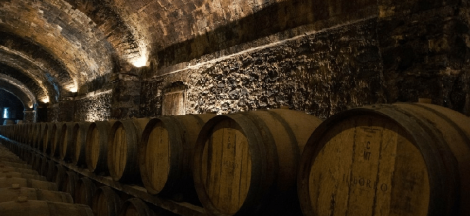
We all know the wine cellars and stores of certain wine producers. Barrels and bottles are placed in vaults, cellars or even caves ranging from the damp to the dripping wet. The air in such an environment is frequently of up to 90% humidity. It is not unlikely that you can find mold on the walls, the corners and on the bottles.
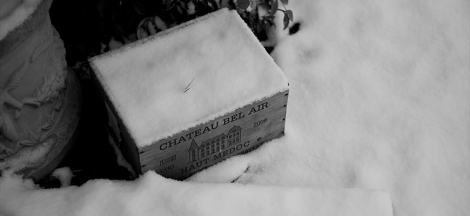
Temperature Deviations in Wine Cooling Cabinets
Wine lovers are always surprised by how cool, not cool, cold or even hot the wine is when it comes out of the wine cooler cabinet. What temperature do I actually have in the wine cellar and what temperature is the wine itself? The one on the cabinet display?
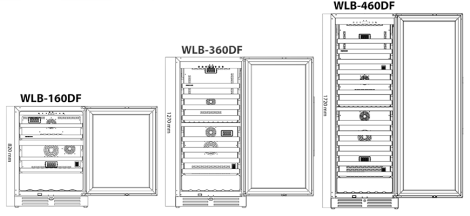
What is the right size of a wine cooler? Optimal use of space
Wine coolers come in all shapes and sizes, from units that only hold a few bottles to those that will not fit through a regular sized door with a capacity for hundreds of bottles. During this discussion, it is known that people who like wine, and have an interest in storing wine, generally see their wine collection grow over the years.

Wine Storage: 5th of 6 key factors: Odours
Like many other food and drink items, in certain conditions wine can create extraneous odors. Sure, wine is largely protected from this through a glass bottle and cork. However, there are situations in which undesired smells can contaminate wine. Thus wine should not be stored next to fuel oil or other chemicals which affects its nuances and its taste.
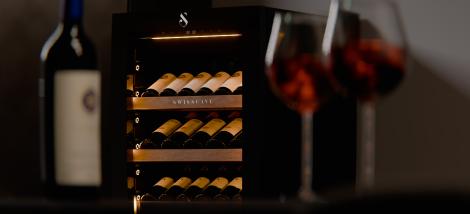
How SWISSCAVE Protects Your Wines – Perfect Storage Down to the Finest Detail
Wine is more than just a drink – it is culture, an investment, and for many of our customers a very personal treasure. To ensure that every bottle develops its full potential, proper storage is essential. This is where SWISSCAVE comes in: our wine coolers combine Swiss precision, timeless design, and state-of-the-art technology to protect your wines in the best possible way.

My wine refrigerator makes noise
Compressor – based cooling appliances have many advantages: long life and relatively high energy efficiency while running at full capacity. However, compressor cooling units, depending on unit use, make more noise than thermo-electric cooling appliance. The sounds emitted by a compressor are similar to the noises a regular kitchen refrigerator makes every day.
Wine Storage: 3rd of 6 key factors: The effect of light on wine
How often do we see wine ‘exhibited’ in living rooms, restaurants, hotels or even wine shops! In bright daylight. In the shop window. Often in direct sunlight. Often for months, if not years. If you examine a bottle like this, it will be evident that the fluid has become clearer, more transparent, and that even its color has changed because of the sunlight.
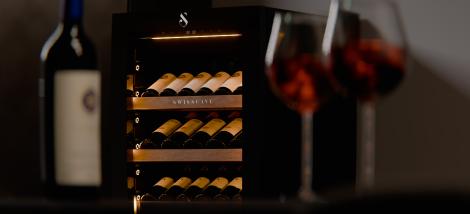
The Art of Wine Preservation – When Luxury Meets Precision
Discover why proper wine storage is the ultimate luxury for connoisseurs – and how SWISSCAVE combines world-class engineering and timeless design to preserve every bottle to perfection.