


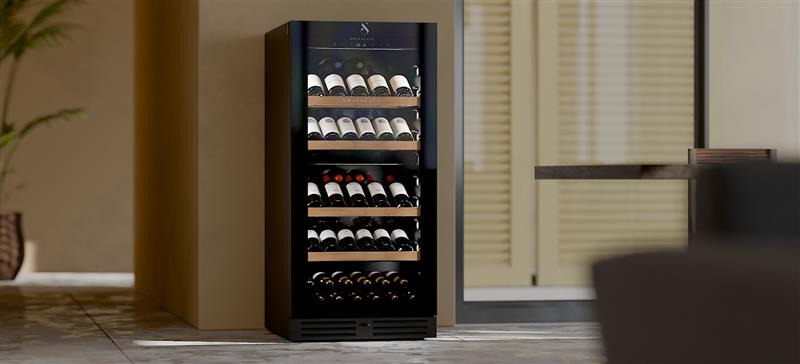
The Luxury of Longevity
Why the most sustainable product is the one that lasts
Sustainability has become a promise.
A label.
A visible statement.
Yet true sustainability rarely announces itself.
In a world of accelerated cycles and rapid product turnover, durability has become almost radical. Products are replaced before they mature. Updated before they age. Discarded before they truly belong.
There is another way.
Time as the Ultimate Benchmark
The most sustainable product is not the one that speaks the loudest about sustainability.
It is the one that remains relevant — technically, aesthetically and structurally — year after year.
Longevity reduces replacement.
Longevity reduces waste.
Longevity respects resources.
It demands engineering designed for endurance rather than speed.
Durability Is a Decision
Creating products that last is intentional.
It means avoiding short-lived trends.
Choosing materials that age with dignity.
Designing systems that can be serviced rather than replaced.
Longevity is embedded in proportions, components, tolerances and invisible decisions. Over time, these choices reveal themselves.
A Different Understanding of Luxury
Luxury is often associated with novelty — the newest release, the latest feature.
Yet there is a quieter form of luxury:
the confidence that something will remain.
A product that still feels right after years.
A design that does not date itself.
A system that continues to perform without demanding replacement.
True luxury is not excess.
It is endurance.
Sustainability Without Spectacle
Responsible engineering does not require spectacle. It requires commitment.
Energy efficiency matters.
Material choices matter.
Operational precision matters.
But above all, lifespan matters.
Because the most sustainable object is the one that does not need to be replaced.
Time decides what remains.
And what remains defines true value.





Comments