


· Reading time: 7–9 minutes
Full fridges, festive menus and fine wines – during the holiday season, enjoyment often meets organisation challenges. Anyone hosting guests knows the situation: the refrigerator is full, yet the champagne still needs chilling. A modern SWISSCAVE wine cooler can do far more than most imagine – and becomes an elegant ally for stylish hosts during the holidays.
1. Choosing the Right Wines for the Season
- Red wines for hearty roasts: A silky Pinot Noir, powerful Syrah or refined Bordeaux pairs beautifully with beef, lamb or game.
- Whites for starters and fish: Crisp Riesling, Chardonnay or Grüner Veltliner bring balance and freshness to the menu.
- Sparkling wines for celebration: Champagne, Crémant or Prosecco start the evening with elegance – especially when served at the perfect temperature.
2. Perfect Serving Temperatures – Especially in Winter
In cold months, wine is often served too warm or too cold. Yet temperature influences aroma, structure and balance more than any glass or decanter.
- Red wine: 15–18 °C (59–64 °F) – slightly tempered, not at “room temperature”.
- White wine: 8–12 °C (46–54 °F) – cool but not icy, to preserve flavour and freshness.
- Sparkling wine: 6–8 °C (43–46 °F) – for crisp bubbles and precision.
A SWISSCAVE wine cooler maintains these temperatures consistently – regardless of ambient heat or kitchen activity – so every bottle delivers its full potential.
3. Short-Term Use for Extra Storage
During Christmas, every centimetre of cooling space counts. Using your wine cooler temporarily for other foods is perfectly fine – as long as it’s done for short periods and with care.
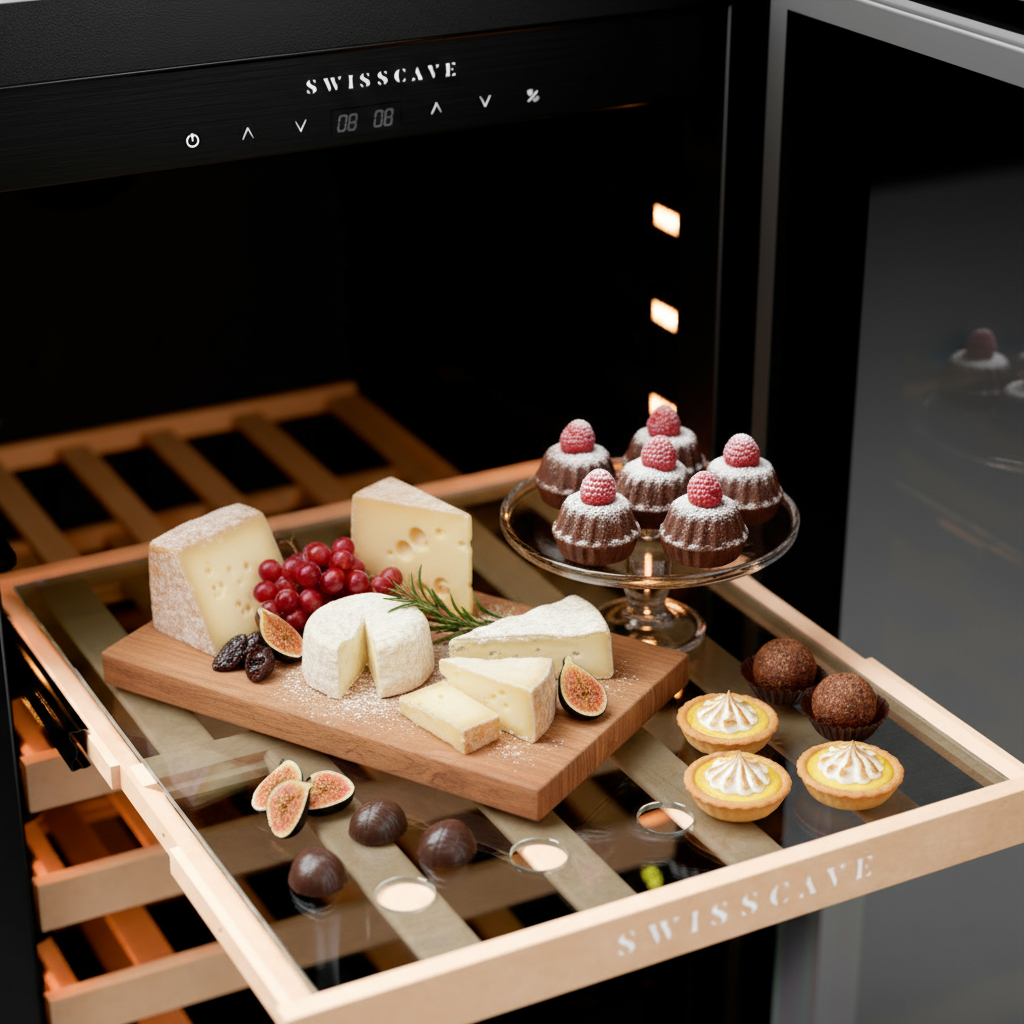
- Safe for 1–2 days: Cheese platters, desserts, fruit, chocolates, sauces or wine accompaniments like butter and dips.
- Not suitable for longer storage: Strong-smelling foods (onions, fish, garlic) – odours can diffuse through the cork and affect the wine’s aroma permanently.
4. What Harms Wine During Long-Term Storage
Fine wine is a living product. To preserve its structure and complexity over years, several factors must remain perfectly stable – something only a precision wine cabinet can achieve.
- Temperature fluctuations: Even small changes of 2–3 °C (3–5 °F) cause pressure shifts inside the bottle – corks expand and contract, allowing oxygen to enter, leading to oxidation.
- UV light: Sunlight or unfiltered LED light can damage aromas (“light strike”). SWISSCAVE cabinets use UV-protective glass doors.
- Vibration: Continuous micro-vibrations (from nearby appliances, for example) disturb sediment and accelerate ageing. SWISSCAVE units are engineered for vibration-free operation.
- Dry air: Humidity below 50 % dries corks and lets oxygen in. The ideal range is 60–75 % relative humidity.
- Odours: Wine “breathes” through the cork. Strong kitchen smells can penetrate and alter aromas – hence, separate storage is essential.
SWISSCAVE combines precise sensor control, quiet compressor technology and premium materials to keep all these parameters stable – from Christmas to the next New Year’s toast.
5. Presentation & Atmosphere
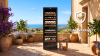
A wine cooler is more than technology – it’s part of the ambience. Especially during the holidays, it becomes a stage for special bottles: gentle lighting, clear lines and perfect order create a festive aesthetic.
Wines look particularly elegant when displayed on high-quality shelving. The SWISSCAVE Glass Shelf gives modern wine coolers a clean, luxurious appearance – ideal for champagne, dessert wines or festive bottles. For a cohesive, professional look, the SWISSCAVE Stabo Shelf offers robust precision and timeless craftsmanship – perfect for long-term wine ageing.
6. Conclusion: Knowledge Creates Enjoyment
Christmas is the season of indulgence – but also when wine becomes most sensitive to environmental changes. Understanding how wine “lives” helps protect it. A SWISSCAVE wine cooler provides the ideal environment: stable, silent, elegant – ensuring every bottle matures exactly as intended by the winemaker.




Comments