


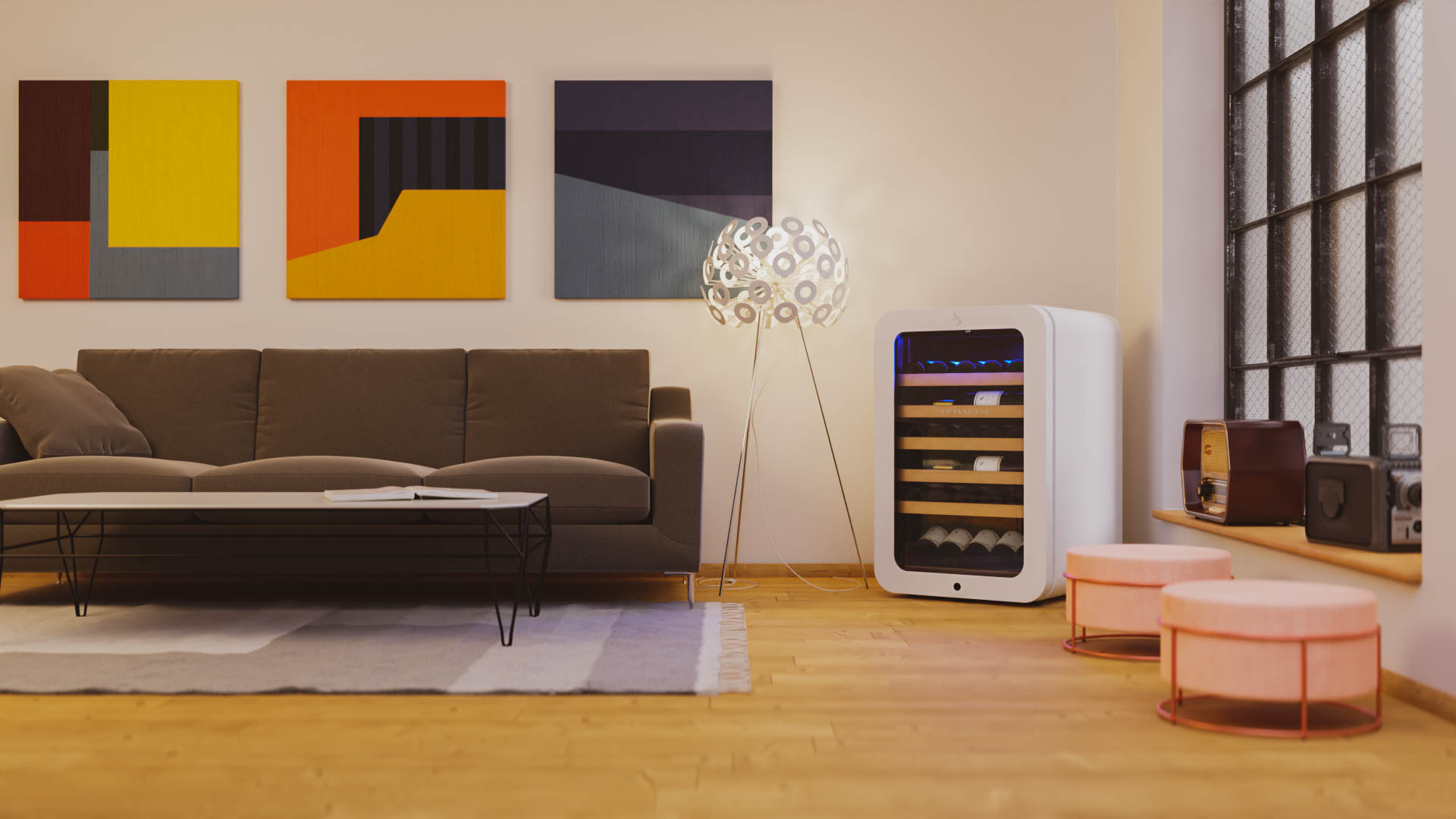
Elegance in Living Spaces 2026: Why Wine Coolers Have Become Design Objects
In 2026, wine coolers have fully stepped out of their traditional role. No longer mere functional appliances, they have become architectural elements, design objects and quiet guardians of cherished wine moments. But this transformation is not only aesthetic — it is driven by advances in technology, evolving interior trends and a renewed appreciation for ritual and refined living.
This article blends two worlds: the calm, precise elegance of high-end design pieces and the expert knowledge behind what truly defines perfect wine storage.
1. A Cultural Shift: Why Wine Lives in the Living Space Today
Modern living spaces increasingly merge kitchen, dining and lounge areas into a single open environment. Wine has become part of personal expression, a reflection of taste and even a collectible asset. Industry insights show the number of private wine collectors growing annually, with more than 60% choosing to showcase their bottles visibly within their homes.
This shift has redefined the wine cooler: It is now viewed more like fine furniture or a curated display — and designed accordingly.
2. Design Trends 2026: The New Aesthetic of Wine Coolers
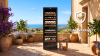
Interior design trends point clearly toward clean materials: glass, metal, stone and natural wood. Modern wine coolers do not just follow this trend — they elevate it.
- Frameless full-glass doors for maximum visual clarity.
- Slim, refined metal frames in brushed steel or deep black.
- Handcrafted natural wood shelves such as sapele or oak.
- Hidden technology through concealed handles and silent cooling systems.
The result: an appliance that doesn’t merely “sit” in a room — it becomes part of its composition.
3. The Science of Storage: When Design Requires Technical Perfection
Behind the visual transformation lies highly advanced engineering. A wine cooler can only take a central place in the home when its performance is flawless.
Professional wine storage is built on five essential pillars:
- Consistent temperature (10–14°C for red, 6–10°C for white)
- Stable humidity (50–80%, ideally above 60%)
- UV protection through high-quality glass
- Low vibration for proper aging
- Dynamic air circulation to prevent mold and odor
Only when these are fulfilled can a wine cooler successfully become both a design object and a precision tool.
4. Lighting: From Illumination to Atmosphere
Lighting is one of the most underestimated aspects of wine storage — yet one of the most important in interior design.
In 2026, premium wine coolers follow a simple principle:
“Lighting should reveal — never overwhelm.”
- Warm, dimmable LED lighting for inviting ambience
- Minimal UV emission to protect delicate wines
- Shadow-light concepts to highlight contours
- Soft-on transitions for a refined visual experience
Here, lighting becomes an architectural feature — not just a technical function.
5. Why Natural Wood Shelves Matter
Premium wood shelving is far more than an aesthetic choice. Woods like sapele or mahogany enhance both function and appearance:
- They help regulate micro-humidity within the shelves.
- They absorb vibration more effectively than plastics or metals.
- They create a harmonious presentation of bottle labels.
This craftsmanship is closer to fine furniture than to typical appliance design — one reason wine coolers now belong in living spaces, not basements.
6. Acoustic Elegance: The Luxury of Silence
In open-plan homes, a device is only truly luxurious when it remains quiet. Modern wine coolers operate at around 37–40 dB — comparable to a soft conversation.
Thanks to inverter compressors and vibration-damping systems, today’s premium coolers offer what can best be described as:
Silent precision.
7. The Wine Cooler as a Modern Statement Piece
Interior designers increasingly refer to wine coolers as “signature modules” of contemporary kitchens.
They combine three rare qualities:
- Functional purpose
- Aesthetic presence
- Emotional meaning
The kitchen in 2026 is no longer purely practical — it is a space for hosting, creating and expressing personal taste. A wine cooler becomes a curated object within this setting.
Conclusion: An Object That Says More Than It Shows
The wine cooler of 2026 represents a new era of living: one in which technology, design and enjoyment coexist with intention and refinement.
It is a quiet statement — of precision, care and the art of elevating everyday living.
A device that protects wine. An object that shapes spaces. A detail that reveals how thoughtfully one lives.




Comments